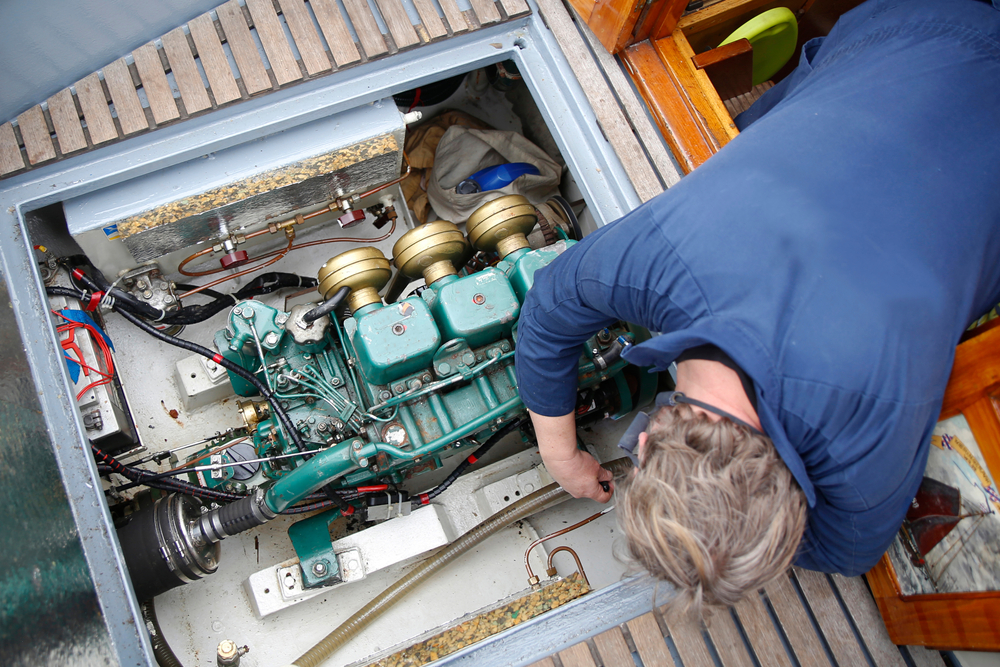
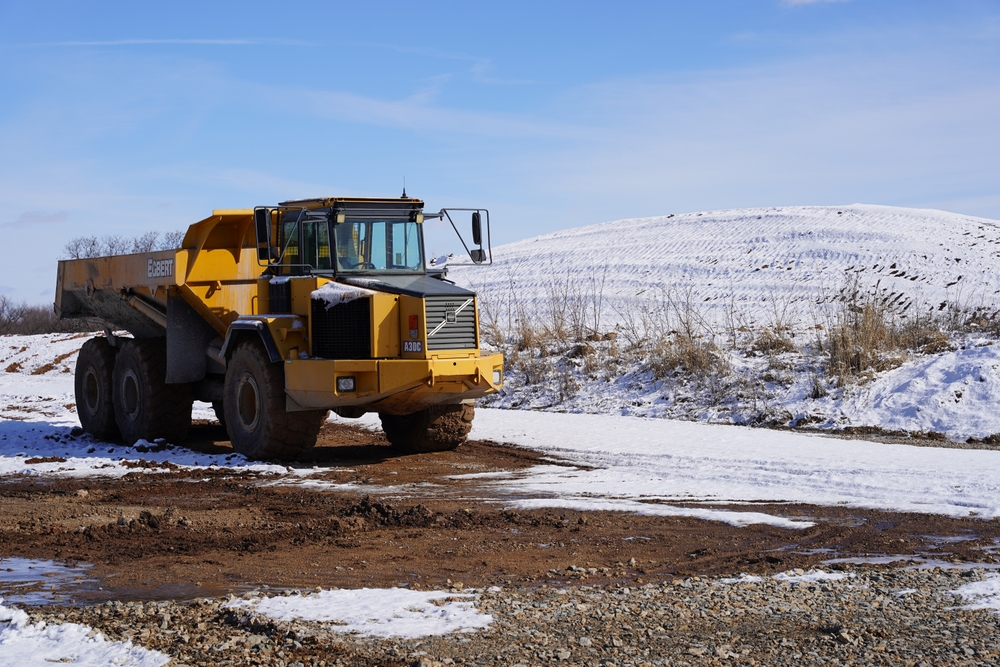
When it comes to the backbone of modern industries like marine, agriculture, construction, and mining, diesel-powered heavy equipment is indispensable. These machines represent major investments, and their performance is critical for keeping operations running smoothly. Yet, many operators unknowingly deal with reduced performance, higher maintenance costs, and shortened equipment lifespans due to a single overlooked issue: contaminated diesel fuel.
Diesel prices have consistently been on an upward trajectory, leaving fleet managers and diesel vehicle owners scrambling for strategies to maintain operational profitability. For industries that rely on diesel-powered fleets, such as transportation, construction, and agriculture, fuel often accounts for 30-40% of operating expenses. Rising costs not only strain budgets but force companies to make critical decisions that can impact service capacity or customer relationships.
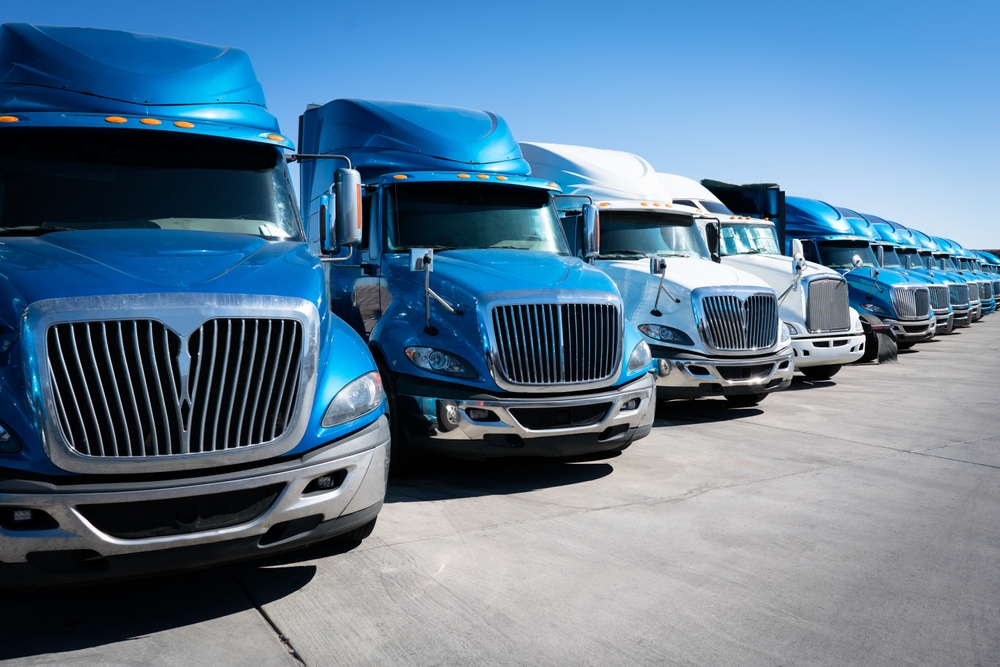
Maximizing operational efficiency while reducing costs is a top priority for fleet managers in the competitive transportation and logistics industry. Among various strategies, optimizing fuel systems presents a significant yet often underutilized opportunity. With advanced solutions like AirDog® Heavy Duty Diesel Fuel Systems, fleet managers can unlock measurable improvements in performance, fuel efficiency, and reliability, all of which directly impact the bottom line.
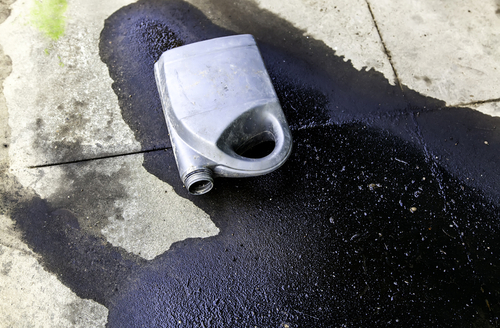
Fuel contamination is one of the most common and underestimated challenges facing vehicle owners, fleet managers, and mechanics today. Though it often goes unnoticed until significant damage is done, contaminated fuel can wreak havoc on vehicle performance, leading to costly repairs and operational downtime.
At its core, managing fuel contamination is about protecting an investment — whether that’s a single vehicle or an entire fleet. This blog will explore what fuel contamination is, its various forms, how it impacts vehicle performance, and most importantly, how you can prevent it.
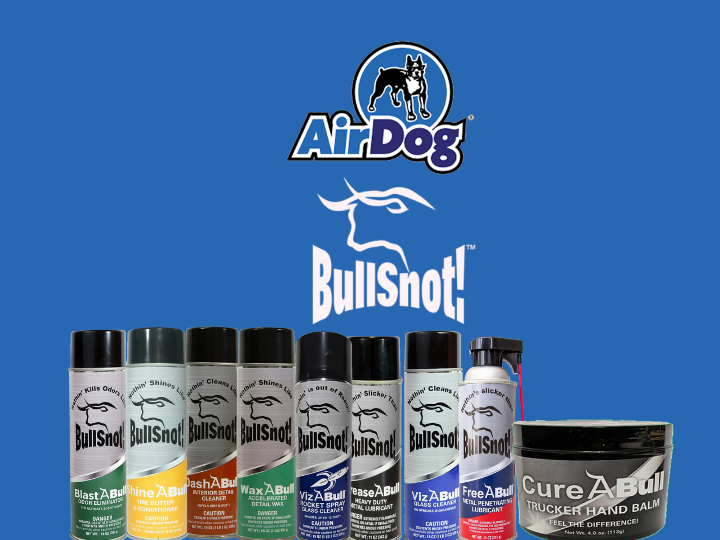
When it comes to maximizing the performance and lifespan of diesel engines, maintenance is the backbone of success. Two industry titans—AirDog® Diesel and Bullsnot—have joined forces in a partnership that sets a new standard for diesel engine care. With AirDog®’s state-of-the-art fuel filtration systems and Bullsnot’s specialized cleaning products, this collaboration offers a powerful solution for diesel enthusiasts, mechanics, and fleet managers seeking efficiency, durability, and peak performance.
Over-the-road truckers, fleet managers, and equipment professionals in industries such as transportation, construction, mining, and agriculture are paying closer attention to the environmental impact of their diesel operations. As concerns about emissions and sustainability grow, finding innovative solutions to reduce environmental harm while maintaining performance has become a top priority.
Diesel engine efficiency is more critical than ever, especially for heavy-duty applications like semi-tractor trailers, construction equipment, agricultural machinery, and marine vehicles. Fleet managers, diesel enthusiasts, and truck owners know that even the smallest inefficiencies can lead to increased downtime, reduced performance, and higher operational costs. Enter AirDog®—a revolutionary diesel fuel filtration system that has transformed the industry.
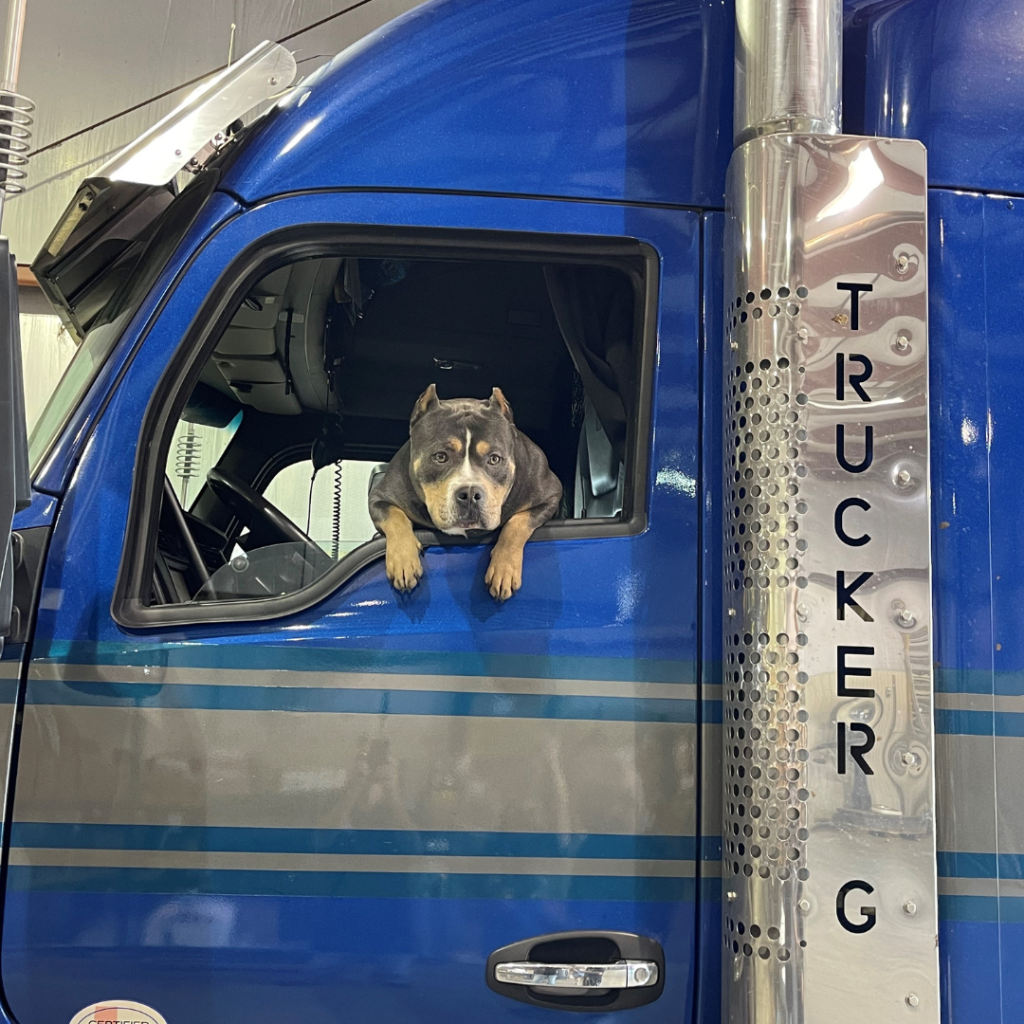
For over-the-road haulers, life on the highway can feel a bit lonely at times—but not when you have a loyal four-legged friend riding shotgun! Dogs make amazing travel companions, providing comfort, company, and even a bit of entertainment during those long hauls. But as the winter months roll in, keeping your furry co-pilot safe, warm, and healthy requires some extra planning and care.
This guide is packed with tips to help semi-truck drivers make winter trucking smooth and cozy for their canine companions. We’ll cover everything from prepping your cab to recognizing cold-weather hazards, all to help you and your pup keep on trucking safely through the snow and ice.
When winter hits, fleet managers and commercial vehicle operators face their toughest operational challenges. Sub-zero temperatures can wreak havoc on diesel engines, leading to issues like hard starts, fuel gelling, and frozen filters. These conditions often lead to unexpected downtime, reduced efficiency, and costly repairs.
But here’s the good news—taking a proactive approach to winter preparation can ensure your fleet runs smoothly, even during the harshest months. One of the most critical—and often overlooked—steps in winterizing a diesel fleet is investing in high-performance fuel filters like those offered by AirDog®. These advanced systems protect your engine from the damaging effects of cold weather, improve fuel efficiency, and extend engine longevity.